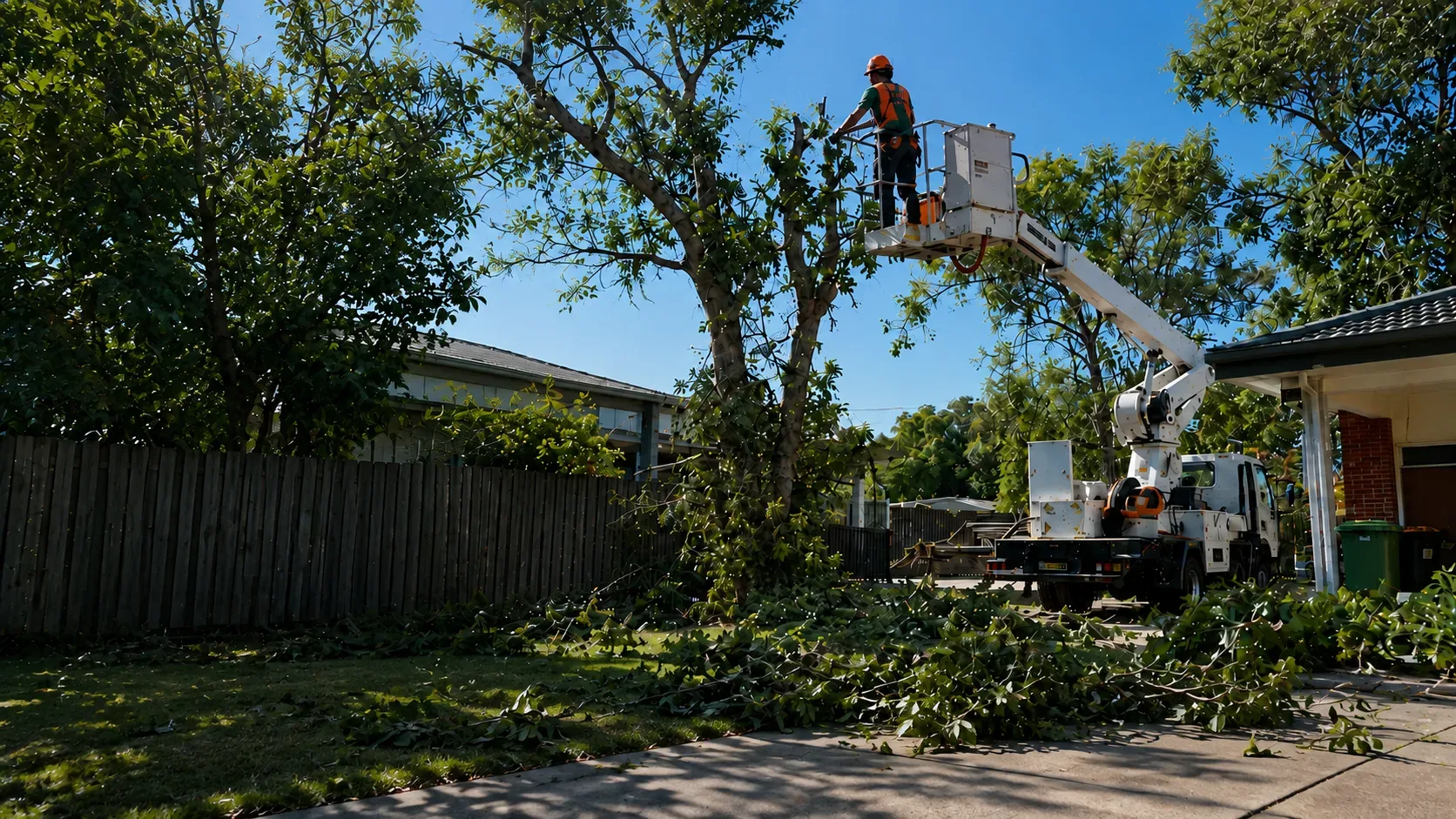
Professional Tree Removal in Darwin and the Top End
Got a dead tree, a heavy leaner, or an old hardwood hanging over your roof? If you need safe tree removal in Darwin, NT, our local crew is here to protect your property.
Our certified arborists sort out the council permits, cut the heavy timber safely, and haul all the green waste away before we leave.
- $20M public liability
- Certified arborists
- Permits handled
- Open 24 hours
Free on-site assessment. Fixed price in writing before we start.
Does the tree actually need to come out?
Sometimes it does not. A hazard assessment is completely free. If our team can safely save the tree, we will tell you.
Here is what we see most often on Darwin blocks, and where each one goes.
| What you are seeing | What it usually means | Where to go |
|---|---|---|
| What you are seeing Dead, hollow or fungus at the base | What it usually means Rot through the trunk. High failure risk, needs removal. | Where to go Book an assessment |
| What you are seeing Leaning more than it used to, soil lifting | What it usually means The root plate is moving. Urgent removal required. | Where to go Call us |
| What you are seeing Roots into pipes, paths or footings | What it usually means Remove the tree, then grind the stump so it cannot reshoot. | Where to go Stump grinding |
| What you are seeing Healthy tree, just too big or too close | What it usually means Usually needs a lop or crown reduction, not a full removal. | Where to go Tree lopping |
| What you are seeing Dropping fronds, pods or coconuts | What it usually means Palm maintenance. This uses different gear and techniques. | Where to go Palm services |
| What you are seeing Already down, or on a roof or fence | What it usually means Emergency callout. Ring us immediately, do not wait. | Where to go Storm damage |
| What you are seeing Whole block needs clearing | What it usually means Large scale job, priced by the size of the site. | Where to go Land clearing |
What a tree removal actually includes
Always included
- Free hazard assessment and a written fixed price
- Permit check, and we lodge it if council wants one
- Power line clearance, traffic and neighbour management
- Controlled tree felling, or climbing and rigging on tight blocks
- Trunk cut down to a low stump
- Branches chipped where they fall
- Green waste disposal, timber included
- Site raked clean before we drive off
Priced separately
- Stump grinding below ground level
- Surface root removal and turf repair
- Crane hire on restricted access blocks
- After hours and emergency callouts
Want the mulch left for your garden beds? It costs nothing. Just tell us before we start.
Removals we handle
One dead tree out the back, or a mature hardwood hanging over the roof.
You get the same professional tree cutting service either way.
Hazardous tree removal
Leaning, diseased or unstable trees in tight spots. We rig them and lower each section safely. Nothing swings into your house, your fence or your pool.
Fallen tree removal
Already across the yard, the fence or the driveway. We cut the heavy timber up, clear it away and give you your space back.
Tree felling Darwin
We take down big mangos, mahoganies, and massive hardwoods. Open ground gets a straight fell. We use controlled rigging to take apart anything in a tight spot.
Crane assisted removal
No drop zone, or the only way out is over a roof. We use a crane to lift each section clear rather than dropping it through the canopy.
Power line clearance
Limbs growing into the service line are a job plenty of operators will not touch. We plan it, insure it, and cut to the exact clearances required.
Residential and commercial
Home blocks, strata, rentals, business sites and developments. We schedule commercial tree services around your trading hours to avoid disruptions.
What changes the price of a tree removal
We never price a job over the phone. Too much depends on things a photo cannot show.
Six factors move the number more than anything else.
-
Small trees Under about four metres, with clear space around them. It gets a straight fell, chipped, and is done by lunch.
-
Medium trees Four to ten metres tall. If it sits close to a fence or a shed, it has to come down carefully in sections.
-
Large and mature trees Over ten metres, or solid hardwood like an old mango. This requires climbing, rigging and a much bigger crew.
-
Restricted access No gate wide enough for the chipper, or nowhere for the tree to land. It all comes out by rope or crane. This is the biggest single price factor.
-
What sits underneath Roofs, pools, fences and service lines change the cutting method, as well as the risk we carry doing it.
-
Timing Booked dry season work is cheapest. Overnight and emergency callouts in the wet cost more.
Tell us about the tree
Send a few details and we will book a time to come and look at it. No obligation, and the price is fixed in writing before any cutting starts.
Tree already down, or resting on something? Call us instead. The phone is answered 24 hours.
0487 565 033Free assessment. No obligation. We get back to you within 2 to 4 hours.
Do you need a permit to remove a tree in Darwin?
Sometimes you do. It comes down to the tree species, the zoning and which council covers your block.
We check everything before we quote. You never have to chase the paperwork.
Darwin City Council
Protected and heritage listed trees need approval, and so does anything on a council verge. We fill in the application and lodge it directly for you.
City of Palmerston
Different process, different triggers. Same deal though. We check your block properly before we price the job.
Rural blocks
Howard Springs, Humpty Doo and Virginia fall under NT vegetation rules, not a council tree register. How much you are clearing matters more than the single tree. See land clearing.
How we take a tree down
-
Hazard assessment
An arborist reads the species, the lean, the decay and the access. We check if council wants a permit, then give you a fixed price in writing.
-
Set up the site
We mark out the drop zone, move the cars and bins, flag the service lines, and stage our gear exactly where we need it.
-
Fell or dismantle
Open blocks get controlled tree felling. On tight blocks, we climb the tree and bring it down safely in sections on ropes.
-
Chip and load out
Branches go straight through the chipper. We cut and load the trunk. The stump is cut low, or ground out if you booked it.
-
Clean and walk it
We rake the site, sweep the driveway, and remove all green waste. We walk the block with you to make sure you are happy before we leave.
A certified arborist, not just a bloke with a saw
We have spent over 15 years taking trees out of Top End blocks. We know how the local species fail, and what each council will sign off on.
Trained and ticketed crew
Every tree cutter on your block is fully trained and ticketed for climbing, rigging and dismantling work near buildings and service lines.
Finding a reliable arborist Darwin locals trust means checking tickets and insurance. We proudly show you both.
Our own gear
Stump grinders, wood chippers, chipper trucks, cranes and aerial lifts. Climbing kit and PPE on every job.
We own all our machinery. We never hire gear in, which means we always start exactly when we promised.
Insured to $20 million
We carry total public liability coverage on every job. Ask to see the certificate any time. ABN 58 153 620 678.
More about the crew on our about page.
DIY, and what to ask before you hire anyone
Where DIY goes wrong
A small tree in open ground with nothing underneath it is a fair weekend job. Everything else is a rigging problem, not a cutting problem.
The failures repeat constantly. It does not fall where you thought. A limb swings back into the fence. The trunk splits halfway through the cut.
If you go wrong near a house or a power line, your home insurer will likely knock the claim back entirely.
Five questions worth asking
- Can I see your public liability certificate?
- Does this tree need council approval, and who lodges it?
- Is the price fixed, or can it move on the day?
- Who handles the green waste disposal?
- Is the stump in the price, or quoted separately?
We answer all five in writing before you agree to anything.
Where the timber ends up
Chipped on site
Branches go through the chipper as we cut, so your yard never fills up. Want the mulch for the garden? We leave it for you at no extra charge.
Timber loaded out
Trunk sections get cut and loaded. Good hardwood is kept rather than dumped, and the rest goes straight to green waste disposal for recycling.
The stump
We cut the stump low as standard. Want to lay new turf, pave or plant over the old spot? Book stump grinding with the removal and we do both in one visit.
Recent tree removal around Darwin
Our own photos, our own jobs. Drag the slider on any card.
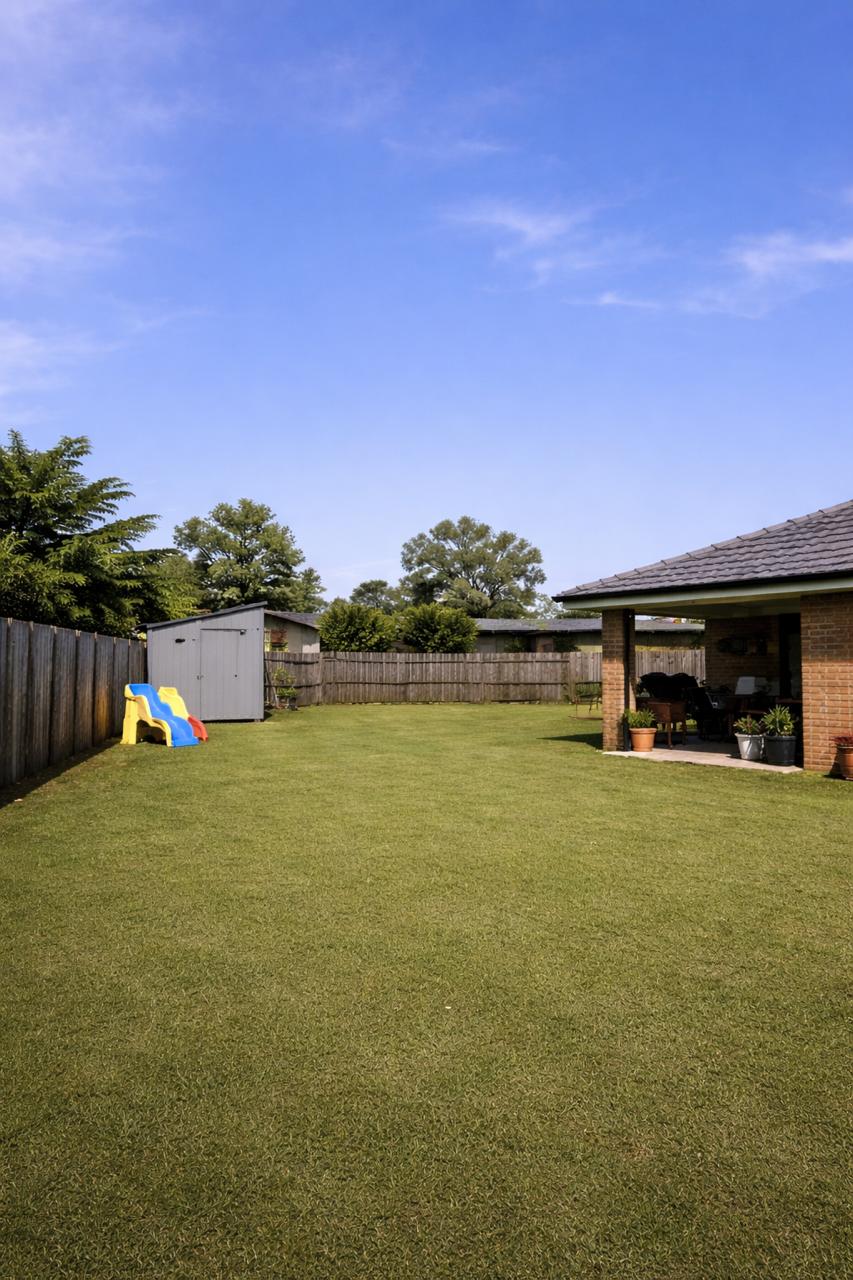
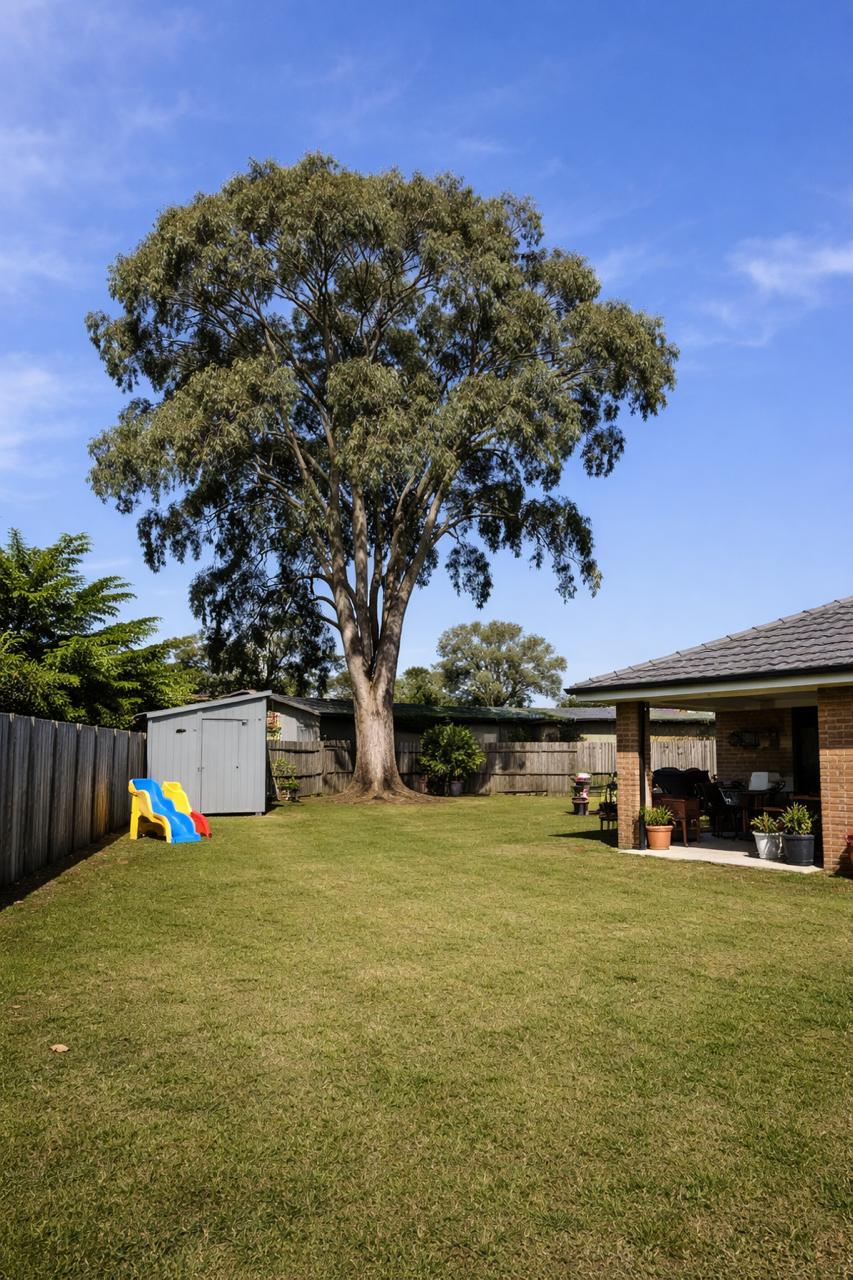
Large Tree Removal
What people said after the job
Called them for emergency storm damage after the wet season. They arrived within hours and made our property safe again. Highly recommend!
Second storm callout review goes here, pulled from Google.
Third storm callout review goes here, pulled from Google.
Other tree services in Darwin
Tree lopping and pruning in Darwin
Crown reduction, crown thinning, deadwood removal and cyclone season pruning.
View Tree LoppingStump grinding in Darwin
Ground well below the surface so you can turf, pave or plant straight over the spot.
View Stump GrindingPalm tree removal in Darwin
Dead fronds, heavy seed pods, coconuts, and whole palms taken out safely.
View Palm ServicesEmergency storm damage in Darwin
Fallen trees, snapped limbs and storm waste cleanup. Phone answered 24 hours.
View Storm DamageLand clearing and firebreaks in Darwin
House blocks, rural acreage, vegetation management and commercial site clearing.
View Land ClearingTree removal across Greater Darwin
Same crew, same rates, no travel surcharge. City blocks and rural acreage both.
Not on the list? Give us a call. We probably cover you anyway.
Questions we get asked most
We price every tree removal on site, not over the phone. Access limits, nearby power lines, and the size of the canopy completely change the quoting numbers.
We provide a free assessment and a fixed price in writing before we start.
We carry $20 million in public liability insurance specifically for tree work.
Our crew uses professional rigging gear to lower heavy timber safely, ensuring your roof, fence, and pool are totally protected.
No. We check the local Darwin City or Palmerston zoning rules during your free assessment.
If the tree requires a permit to be removed, we handle the application paperwork for you directly.
Never. Green waste disposal is built into every removal quote.
We run the branches through our chipper, haul away the heavy timber, and rake your yard clean before we drive off.
Yes. If we cannot fit the chipper truck in your backyard, our ticketed tree cutters climb the tree and lower it in sections using ropes.
For extreme situations, we use a crane to lift the timber right over your house.