Tree Lopping and Trimming in Darwin
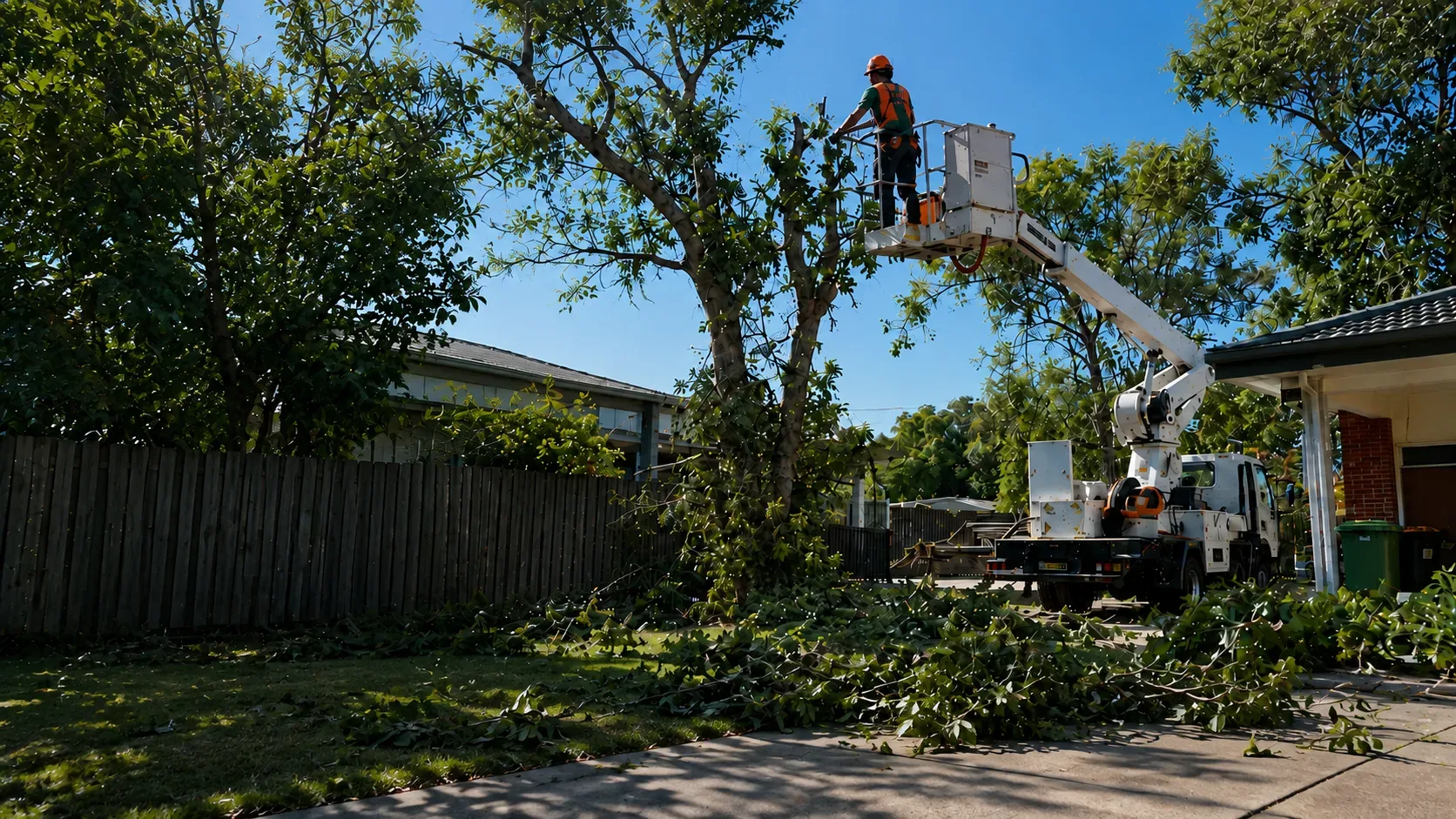
Got branches rubbing the roof, a canopy growing wild, or a heavy tree that needs weight off before the wet season? Our local team provides the professional tree pruning and tree lopping Darwin property owners rely on.
An arborist in Darwin will give you proper cuts that keep the tree healthy, rather than a quick hack job that slowly kills it.
- $20M public liability
- Certified arborists
- Cyclone season prep
- Open 24 hours
Free on-site assessment. Fixed price in writing before we start.
Does it need tree lopping, or does it need to go?
Most trees people want removed just need the canopy reduced. Tree trimming is cheaper and lets you keep your yard shade.
Here is how we sort it on site.
| What you are seeing | What it usually means | Where to go |
|---|---|---|
| What you are seeing Branches over the roof or the pool | What it usually means Crown reduction. Take the reach back, keep the tree. | Where to go Book an assessment |
| What you are seeing Canopy so thick nothing grows under it | What it usually means Crown thinning. Let light and wind through. | Where to go Crown thinning |
| What you are seeing Dead or hanging limbs up high | What it usually means Deadwooding. The most common call we get after a blow. | Where to go Deadwood removal |
| What you are seeing Top heavy, and the wet is coming | What it usually means Cyclone preparation. Book it in the dry, not in November. | Where to go When to prune |
| What you are seeing Limbs touching the power line | What it usually means Clearance work. Do not touch it yourself. | Where to go Call us |
| What you are seeing Trunk is hollow, or the tree is leaning | What it usually means Past pruning. This one is a removal. | Where to go Tree removal |
| What you are seeing Fronds, seed pods or coconuts dropping | What it usually means Palm work. Different gear again. | Where to go Palm services |
What our tree trimming service actually includes
Always included
- Free on-site assessment and a written fixed price
- A trained arborist reads the tree structure before any cutting starts
- Clean collar cuts for fast healing, with no stubs and absolutely no topping
- Climbing or aerial lift access
- Roof, gutter and driveway clearance
- Branch chipping done straight into the back of our trucks
- All green waste taken away
- Site raked clean before we drive off
Priced separately
- Full tree removal if the tree is past saving
- Stump grinding after a removal
- Ongoing seasonal maintenance rounds
- After hours and emergency callouts
Want the mulch left for your garden beds? It costs nothing. Just tell us before we start.
The five types of tree trimming Darwin properties need
You might just call it tree lopping.
But here are the specific cutting methods our team uses to fix different yard problems.
Crown reduction
We safely bring the height and spread back while keeping the natural shape. This means less wind resistance and less branch weight over your roof.
Crown thinning
We selectively remove crowded inner branches. This lets light and air move freely through the canopy. Your tree stays stable during a blow, and your lawn gets enough sun to survive underneath.
Deadwood removal
Deadwooding clears the dead, rotting and hanging limbs trapped high up in the canopy. Those are the exact branches that snap without warning in a strong gust.
Cyclone season pruning
Pre storm pruning built specifically for Top End weather. We reduce heavy canopies and pull back top heavy branches. This prepares your tree for serious cyclone winds.
Branch chipping
Cuttings, fallen limbs and garden waste go through the chipper on site. Haul it away, or leave the mulch for your garden beds.
Roofline and power line clearance
Limbs into the gutters, over the drive, or growing into a service line. Planned, insured and cut to the clearances required.
What changes the price of a tree lopping job
We never quote tree cutting Darwin jobs over the phone. A quick photo will not show us the actual site access or the true branch weight.
Here are the six main factors that decide the final cost.
-
Height and reach How far up we have to get, and whether it is climbed or reached with a lift.
-
How much comes off A light tidy is a different job to a full canopy reduction on a mature mango.
-
Access Can the truck and chipper get in? If not, everything is carried or roped out by hand.
-
What sits underneath Roofs, pools, fences and service lines mean every limb gets roped down instead of dropped.
-
Number of trees Doing four in one visit is cheaper per tree than calling us back four times.
-
Timing Booked dry season work is cheapest. Storm season emergency callouts cost more.
Tell us about the tree
Send a few details and we will book a time to come and look at it. No obligation, and the price is fixed in writing before any cutting starts.
Limb already down, or hanging over the house? Call us instead. The phone is answered 24 hours.
0487 565 033Free assessment. No obligation. We get back to you within 2 to 4 hours.
When to trim a tree in the Top End
Standard advice from down south does not work up here. Our local calendar runs on the wet and the dry.
Getting the timing wrong can stress the tree or risk your roof.
May to August, the main window
Dry season. Cooler, drier, and the tree is not pushing hard growth. This is when we do structural work, crown reduction and thinning. Cuts seal cleanly and there is far less disease pressure.
September to October, cyclone preparation
The last clear run before the build up. We take branch weight off, thin heavy canopies and clear anything sitting over the house. Book early. Everyone rings at once in November.
November to April, safety only
Wet season. Ground is soaked and storms are rolling through. We stick to hazard work, deadwooding and clearing damage. Heavy structural pruning waits for the dry.
How we prune a tree
-
Read the tree
Species, health, structure and what it is sitting over. We work out how much can come off without stressing it.
-
Agree the target
We show you what we plan to take and what stays. Fixed price in writing before anyone climbs.
-
Set up access
Climbed on ropes, or reached with the lift. Cars and furniture moved, service lines flagged.
-
Cut and lower
Clean collar cuts that promote fast healing. Any branch hanging over a roof or a fence gets securely roped down, never just dropped.
-
Chip and clean
Branches through the chipper, gutters checked, driveway swept. We walk the block with you before we go.
Certified arborists, not just someone with a chainsaw
We have spent over 15 years pruning Top End trees. We know how the local species respond to a cut, and how much canopy each one can lose.
Trained and ticketed crew
Every cutter is fully ticketed for climbing, complex rigging, and safe canopy management near buildings.
A proper arborist Darwin service will always show you their current tickets and active insurance policy.
Our own gear
Wood chippers, chipper trucks, aerial lifts, cranes and full climbing kit. PPE on every job.
We own all our machinery, so we start exactly when we promised.
Insured to $20 million
We carry public liability coverage on every job. Ask to see the certificate any time. ABN 58 153 620 678.
More about the crew on our about page.
Why the cut matters more than the price
Bad tree cutting does not show up straight away. It reveals itself two years later as rot in the trunk, or a heavy limb failing in a storm.
This is exactly why you hire a qualified arborist Darwin residents trust for plant health and safe canopy management.
What a certified arborist does
- Cuts at the branch collar so the wound seals itself
- Takes no more than about a quarter of the canopy in one go
- Reads the species first, because a mango is not a mahogany
- Keeps the natural shape while cutting the branch weight
- Thins from the inside so wind passes through the canopy
- Leaves the tree able to recover before the wet
What wrecks a tree
- Topping, which is chopping the crown flat across
- Flush cuts into the trunk that never close over
- Lion tailing, stripping the inner growth off every limb
- Leaving stubs that rot back into the branch
- Heavy cutting in the wet when disease moves fast
- Taking half the canopy off a stressed tree at once
Topping is the terrible mistake we get called out to fix most. It forces weak and dangerous regrowth that snaps in the next wet season storm. A real arborist will always refuse to top a tree.
Where the branches end up
Chipped as we cut
Branch chipping happens on site while we work, so your yard never fills up with cuttings.
Mulch for your garden
Fresh wood chip makes good mulch. Want it left behind for the garden beds? We drop it before we leave, at no extra charge.
The rest is recycled
Anything you do not want goes with us for green waste disposal and recycling, rather than to landfill.
Recent tree lopping and pruning around Darwin
Our own photos, our own jobs. Drag the slider on any card.
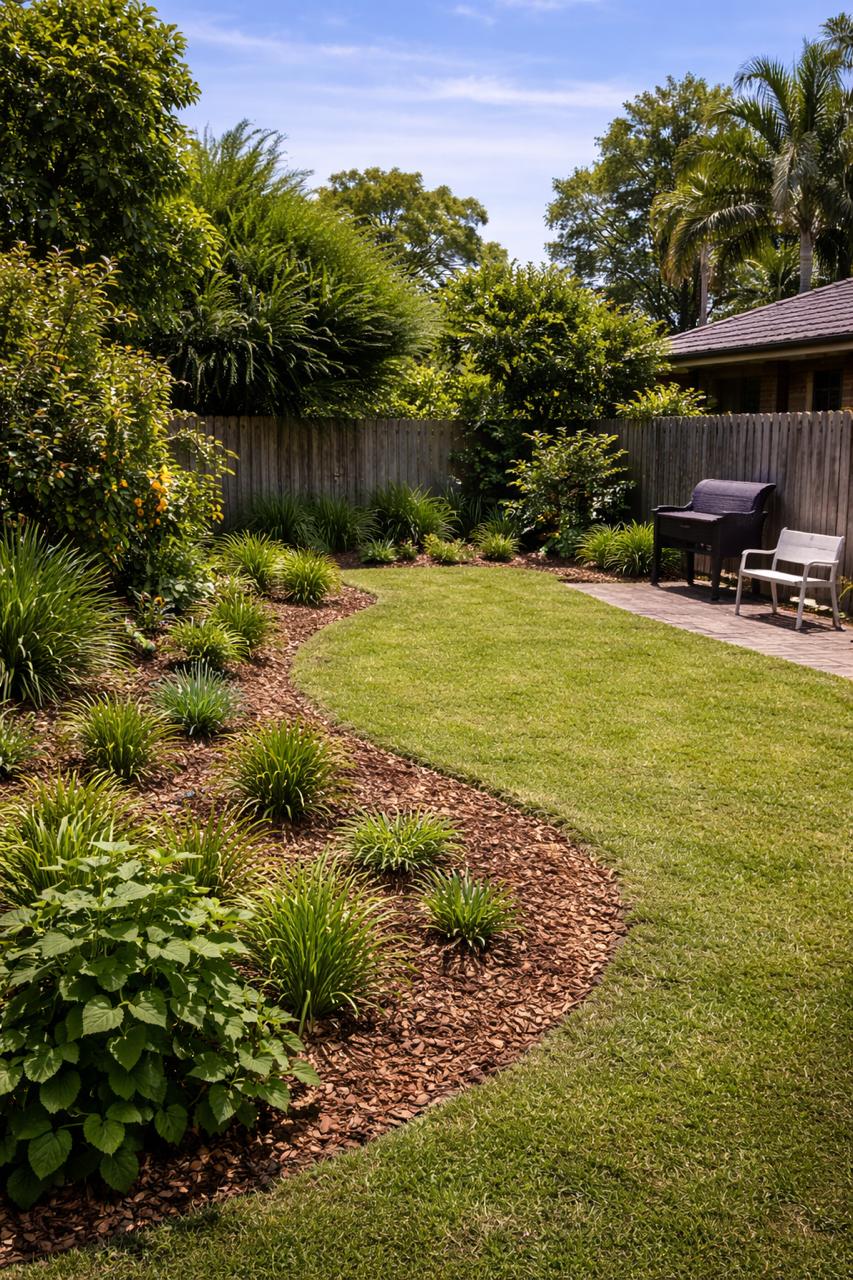
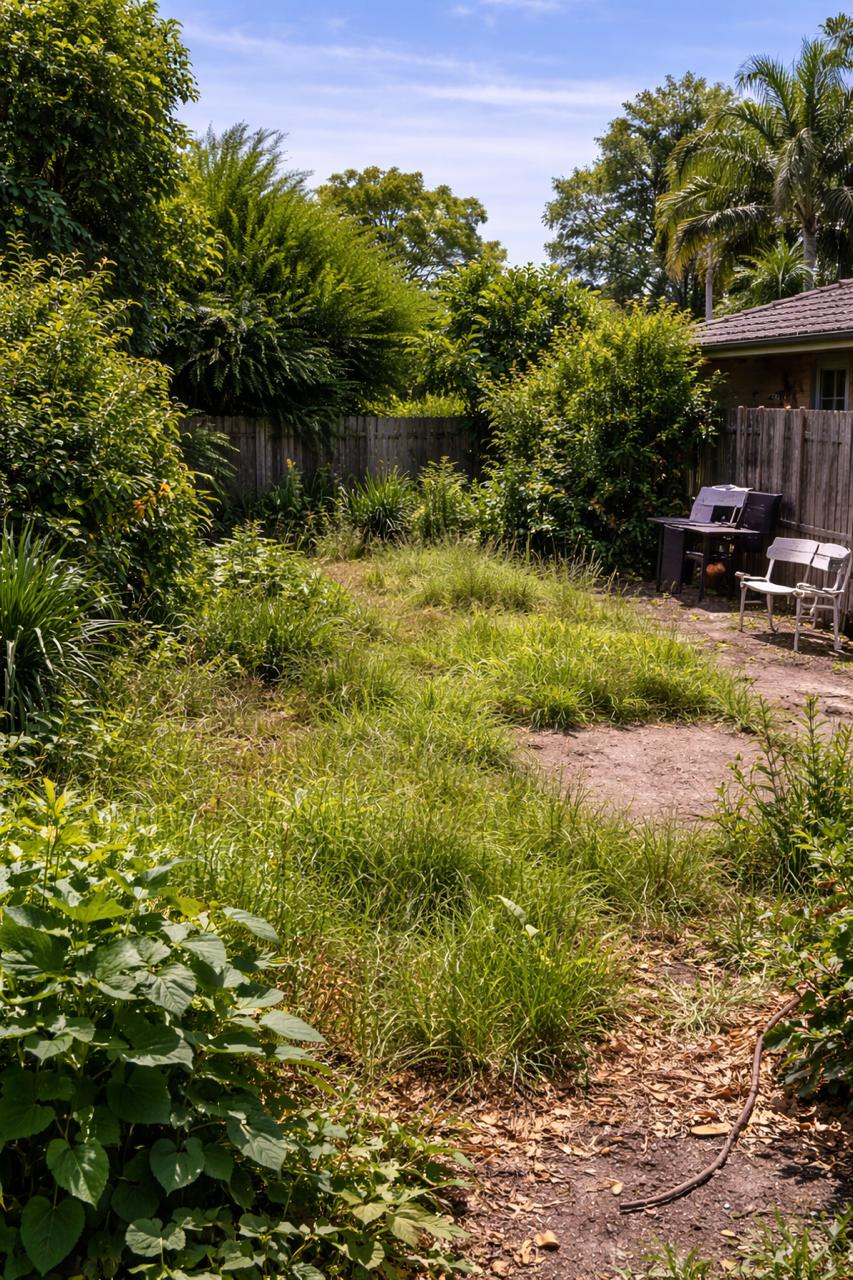
Overgrown Garden Restoration
What people said after the job
Had several palm trees that needed cleaning before cyclone season. Great communication, fair pricing, and outstanding results.
They did a massive crown reduction on our mahogany before the wet season. The crew was polite, worked safely around the power lines, and left the driveway spotless.
Our yard was completely shaded out. They thinned the canopy beautifully. The tree looks perfectly natural and the grass is finally growing back.
Other tree services in Darwin
Tree removal in Darwin
Dead, leaning and hazardous trees taken down safely, permits handled and green waste carted away.
View Tree RemovalStump grinding in Darwin
Ground well below the surface so you can turf, pave or plant straight over the spot.
View Stump GrindingPalm tree removal in Darwin
Dead fronds, heavy seed pods, coconuts, and whole palms taken out safely.
View Palm ServicesEmergency storm damage in Darwin
Fallen trees, snapped limbs and storm waste cleanup. Phone answered 24 hours.
View Storm DamageLand clearing and firebreaks in Darwin
House blocks, rural acreage, vegetation management and commercial site clearing.
View Land ClearingTree lopping and pruning across Greater Darwin
Same crew, same rates, no travel surcharge. City blocks and rural acreage both.
Not on the list? Give us a call. We probably cover you anyway.
Questions we get asked most
We price every tree lopping job on site. The final number depends on the canopy height, how much branch weight needs coming off, and if the tree sits directly over your roof.
We provide a totally free quote before we start.
No. We do not just drop heavy timber.
Our crews use professional rigging ropes to slowly and safely lower heavy branches to the ground.
Many people think they need a full removal when a simple canopy reduction will fix the problem.
Our arborists inspect the tree health on site and tell you honestly if it can be safely saved.
Yes. We chip the branches on site and haul away all the green waste.
We even sweep the driveway and rake the yard clean before we drive off.
Yes. Power line clearance is a highly specific job.
We are fully insured and trained to safely cut back growth to meet exact network clearance rules.